
Installation Considerations Before Hiring a Fence Company
Adding a fence to your property can improve privacy, enhance security, and elevate the overall appearance of your home or business. Whether you want to create a safe space for pets, establish clear property boundaries, or boost curb appeal, installing a fence is a meaningful investment. However, successful fencing projects require careful planning before construction begins.
Many property owners focus on choosing materials or styles first, but several other factors influence how smoothly the project will unfold. Property boundaries, local regulations, soil conditions, and long-term maintenance needs can all affect installation. Thinking through these considerations ahead of time helps ensure that the project meets expectations while avoiding unnecessary delays or complications.
Working with an experienced fence company can simplify the process, but preparation still plays an important role. When homeowners understand the key elements that influence fence installation, they can make informed decisions and collaborate more effectively with professionals.
Evaluating Property Boundaries
One of the most important steps before installing a fence is confirming your property boundaries. While homeowners may assume they know where their lot ends, relying on assumptions can lead to disputes with neighbors or compliance issues with local regulations.
A property survey provides a clear understanding of where your land begins and ends. This document outlines official boundary lines and ensures that the fence will be placed in the correct location. If a survey is outdated or unavailable, it may be helpful to request a new one before installation begins.
Accurate boundaries also help prevent accidental encroachment onto neighboring properties. Even a small placement error can cause long-term disagreements or require costly adjustments later. By reviewing surveys and property documents early in the process, homeowners can avoid misunderstandings and ensure a smoother installation.
Understanding Local Regulations and Permits
Local building codes and zoning rules often influence where and how fences can be installed. These regulations vary by location and may include restrictions related to fence height, placement, materials, or proximity to sidewalks and streets.
Many municipalities also require permits before installation begins. Permits help ensure that construction follows safety guidelines and aligns with community standards. While this step may feel like an extra layer of paperwork, it ultimately protects property owners from violations or fines.
Homeowners associations may also have their own rules governing fence style or design. Reviewing these guidelines early prevents conflicts and avoids the need to modify a finished project.
Discussing local requirements with a fence company can help streamline the process. Experienced professionals often understand regional building standards and can guide homeowners through permit applications or regulatory compliance. Planning for these requirements ahead of time prevents unexpected delays once installation begins.
Considering Materials and Climate Conditions
Choosing the right fencing material involves more than appearance. Climate conditions, maintenance expectations, and durability all play important roles in determining which materials will perform best over time.
Wood fences offer a classic look and natural charm, but they may require regular staining or sealing to protect against moisture and sun exposure. Vinyl fencing provides a low-maintenance alternative that resists weather damage, while metal options such as aluminum or steel can deliver strength and longevity.
Environmental conditions also influence material performance. Regions with high humidity, heavy rainfall, or intense sunlight may accelerate wear on certain materials. Selecting a fence that can withstand local weather helps preserve its appearance and structural integrity for years.
An experienced fence company can provide guidance on which materials work best in your area. Their knowledge of installation methods and environmental factors helps ensure that the chosen fence remains functional and attractive long after construction is complete.
Planning for Utility Lines and Ground Conditions
Another critical consideration involves what lies beneath the surface of your property. Utility lines such as water pipes, gas lines, and electrical cables may run underground in areas where fence posts will be installed.
Digging without identifying these utilities can cause serious damage and safety hazards. Before installation begins, homeowners should contact local utility locating services to mark underground lines. These markings help contractors avoid interference with essential infrastructure.
Ground conditions also affect fence installation. Soil composition, slope, and drainage patterns can influence how posts are secured and how stable the structure will be over time. Loose or rocky soil may require special installation techniques to ensure durability.
A knowledgeable fence company will evaluate these site conditions during the planning stage. By addressing underground utilities and ground characteristics early, contractors can prevent costly setbacks and ensure the fence is built on a solid foundation.
Reviewing Design and Privacy Needs
Fence design should reflect both functional needs and aesthetic preferences. Some homeowners prioritize privacy, while others want decorative elements that complement their landscaping and architecture.
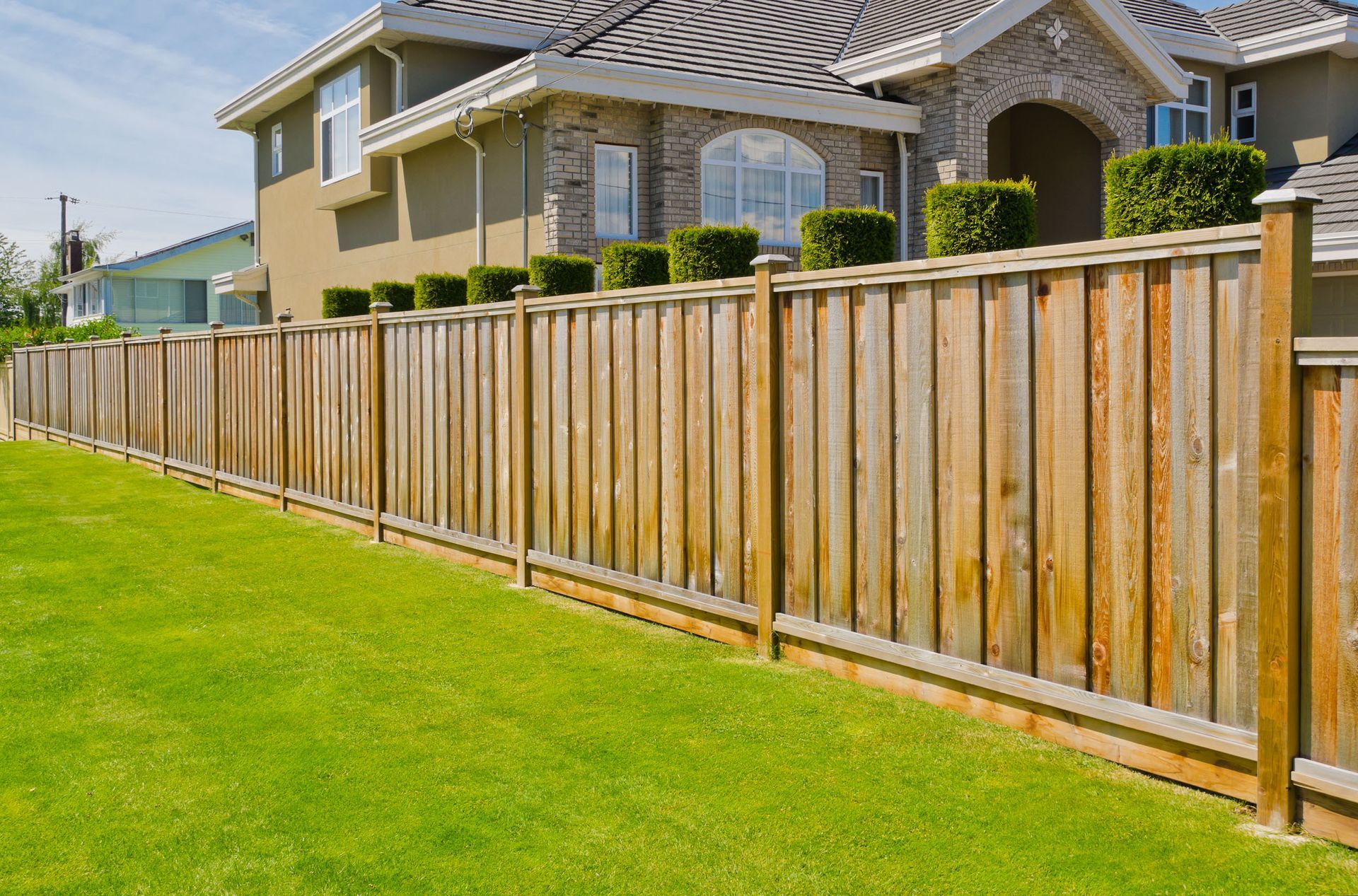
Privacy fences typically feature solid panels that block views and reduce noise from surrounding areas. These fences are often used in backyards where families want a more secluded environment. Decorative fences, on the other hand, may emphasize style with open designs that highlight gardens or front yard landscaping.
The height and layout of the fence also influence its effectiveness. A taller fence may offer greater privacy and security, while shorter options can create a welcoming boundary without obstructing visibility.
According to IBIS World, industry revenue from fence construction has been climbing at a CAGR of 1.5% for the past 5 years to an estimated $14.8 billion in 2025, reflecting continued demand for fencing solutions across residential and commercial properties.
As interest in fencing grows, homeowners are increasingly exploring customized designs that balance functionality with visual appeal. Discussing your goals with a fence company helps ensure the final design aligns with your expectations while meeting practical requirements.
Establishing Budget and Timeline Expectations
Budget planning is another important step before starting a fencing project. Installation costs can vary based on materials, property size, terrain complexity, and design features.
Setting a clear budget helps homeowners evaluate options and prioritize elements that matter most. Some may choose premium materials for long-term durability, while others focus on cost-effective solutions that still provide security and privacy.
Timelines also deserve careful consideration. Weather conditions, permitting processes, and contractor availability can all influence how quickly installation can begin and how long the project will take to complete.
Communicating expectations with a fence company helps create a realistic schedule and prevents misunderstandings during construction. Contractors can outline the stages of installation, explain potential delays, and provide guidance on how to prepare your property for the project.
When budget and timeline expectations are clearly defined, the installation process becomes more organized and predictable.
Installing a fence involves more than choosing a style and scheduling construction. Successful projects begin with thoughtful planning that considers property boundaries, local regulations, environmental conditions, and long-term goals.
By evaluating these factors before installation begins, homeowners can avoid complications and ensure that the fence serves its intended purpose. Understanding the site conditions and design priorities also helps contractors complete the project efficiently while maintaining high-quality results.
Working with a knowledgeable fence company makes it easier to navigate the technical and logistical aspects of installation. Their expertise helps homeowners transform ideas into practical solutions that enhance both function and appearance.
With careful preparation and the right professional guidance, a fencing project can become a valuable addition that improves security, privacy, and property value for years to come. For professional guidance and reliable installation services, contact Englewood Fence to discuss your fencing project and explore solutions tailored to your property’s needs.
Share On: